Introduction
In today’s digital environment, image performance isn’t optional—it’s a business KPI. Whether you’re building a website, designing creatives, or publishing content, the file format you choose directly impacts load time, SEO, user experience, and overall conversion efficiency.
This is where image extension conversion becomes a strategic move rather than a technical afterthought.
If you’re still uploading raw JPGs, oversized PNGs, or outdated formats, you’re leaving performance gains on the table.
What Is an Image Extension?
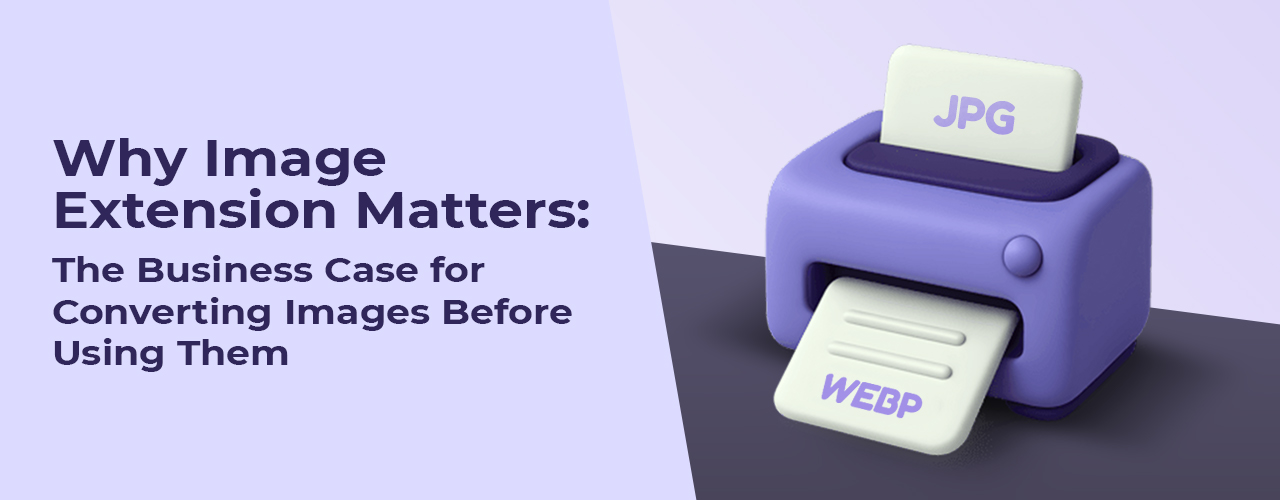
Image extensions—like JPG, PNG, WEBP, AVIF, GIF, SVG, and TIFF—define how visual data is stored and delivered.
Each extension handles compression, transparency, color depth, and scaling differently.
Choosing the wrong format isn’t just inefficient—it can throttle your site speed and tank your SEO performance.
Why Converting Image Extensions Is Critical
1. Faster Load Time = Higher Engagement
Heavy PNGs or TIFFs slow down the user journey.
Google treats site speed as a ranking signal.
Optimized formats like WEBP or AVIF can cut file size by 30–70% without visible quality loss.
Faster load = better retention = stronger conversions.
2. SEO Performance Takes a Direct Hit
Google’s crawlers don’t care how “beautiful” your image is—they care how fast it loads.
Poorly optimized images cause:
- Dropped Core Web Vitals
- Higher bounce rate
- Lower ranking opportunities
Converting to lightweight formats gives you an immediate SEO uplift.
3. Better Compatibility Across Devices
Different platforms expect different file types:
- PNG for transparency
- SVG for icons and scalable graphics
- WEBP/AVIF for modern browsers
- JPG for photographs
Conversion ensures your visual assets work everywhere without rendering issues.
4. Reduced Storage & Bandwidth Cost
Unoptimized images inflate storage bills and CDN bandwidth.
Converting formats cuts your digital overhead by a significant margin—no finance team will complain about that.
5. Consistent Brand Presentation
Inconsistent formats lead to:
- Quality loss
- Pixelation
- Broken transparency
- Poor scaling
A standardized conversion process ensures brand visuals remain crisp and professional.
Which File Formats Should You Use?
A direct, no-nonsense cheat sheet:
| Use Case | Best Format |
|---|---|
| Website images | WEBP / AVIF |
| Icons & logos | SVG |
| Photos needing quality | JPG |
| Graphics needing transparency | PNG |
| Animations | GIF / WEBP |
Convert Your Images the Smart Way
Manual conversion wastes time.
Automation drives operational efficiency.
Use my Image Extension Converter Tool to convert JPG, PNG, WEBP, AVIF, SVG, GIF, and more—instantly.
👉 Try it here: https://www.51shades.in/image-converter/
It streamlines your workflow, optimizes your assets, and ensures you’re deploying performance-ready visuals every time.
Conclusion
Image extension conversion isn’t about aesthetics—it’s about operational excellence.
It directly influences site performance, user retention, SEO visibility, and brand consistency.
If you want your visuals to actually work for your business, convert them before you use them.
Your speed scores—and your audience—will thank you.
👉 Convert your images now using the tool: https://www.51shades.in/image-converter/